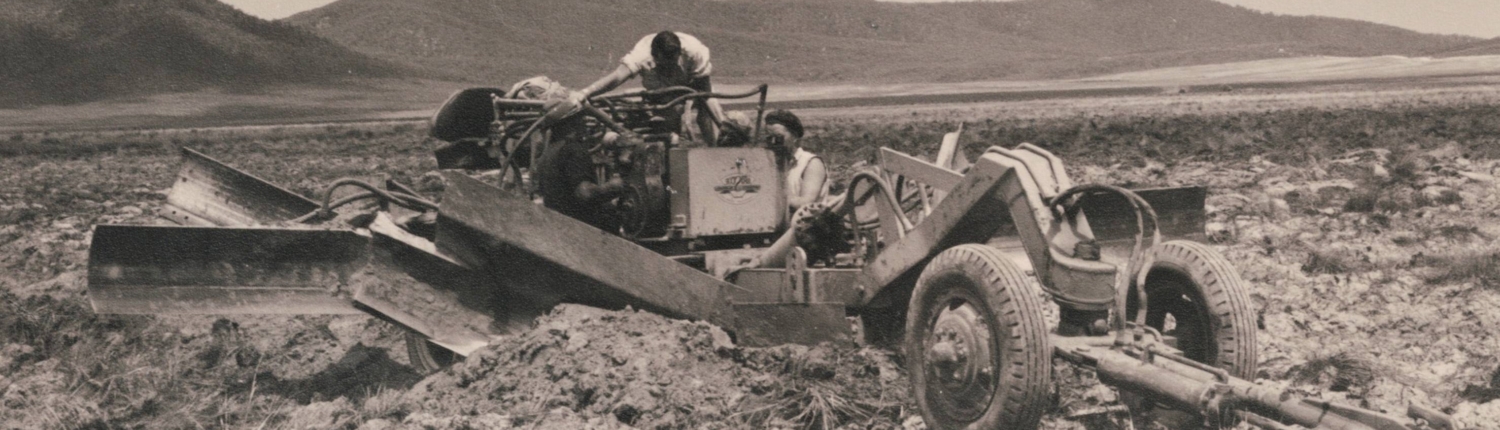
Briscoe ditching machine
Development of the Land
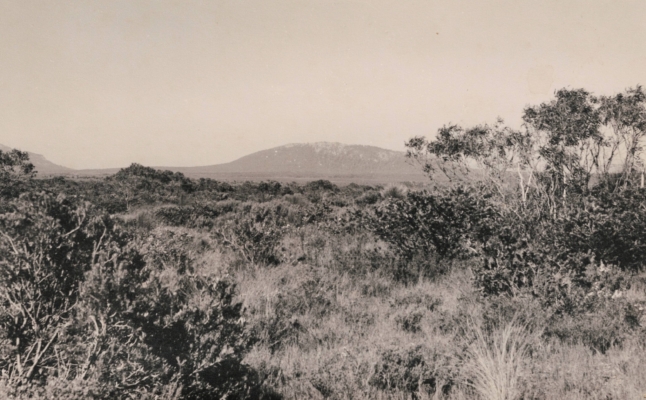
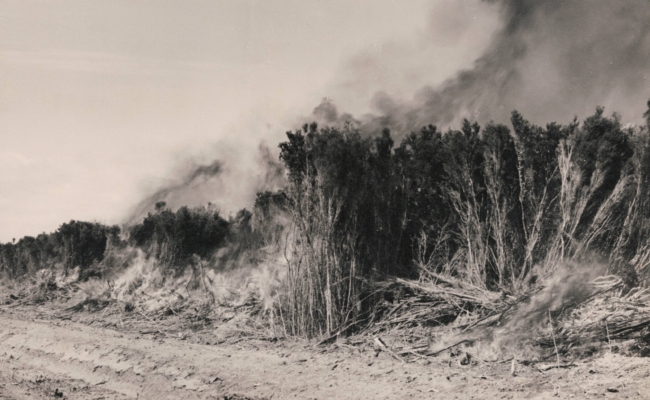
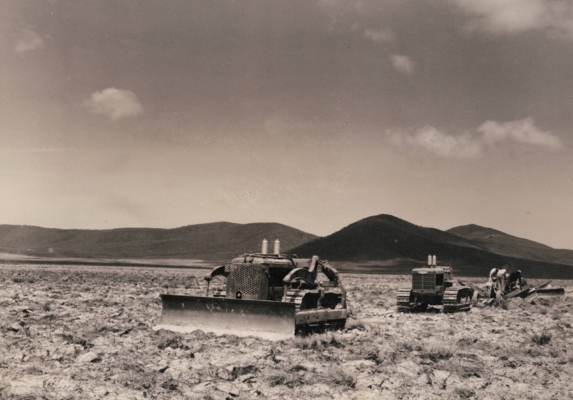
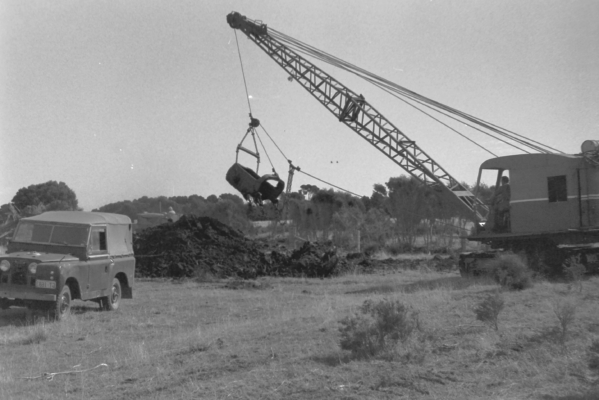
Large areas of previously uncleared country were first surveyed and divided into blocks of approximately 450 to 550 acres, with about 10,000 acres prepared in the initial stages of the scheme. Before settlers took possession of their farms, extensive development work was carried out by crews employed by the Agricultural Bank. Coordinated use of heavy machinery enabled thousands of acres of swamp and lagoon country to be drained allowing the land to be ploughed and prepared for pasture and converted into productive farmland.
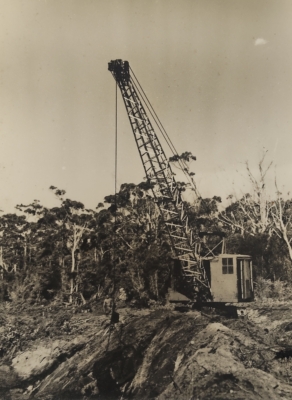
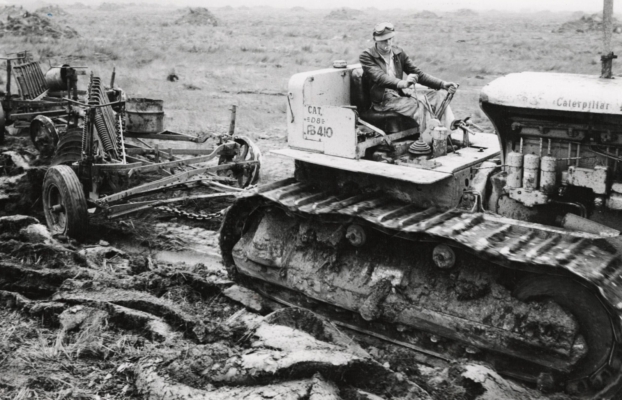
Draglines were the primary machines used to excavate the main drainage systems. These machines dug large trunk drains that carried water away from the land and into natural waterways such as Chew Tobacco Creek and the East Coast drain. Bulldozers and Caterpillar tractors were used alongside the draglines to clear land and assist with drainage work. Bulldozers pushed and positioned the heavy equipment when it became bogged in the soft swamp ground. Tractors were also used to tow ditching machines, which dug smaller side drains that fed water into the main drainage channels.
Workers often operated in difficult conditions, with machinery frequently bogging in the deep swamp and operators sometimes having to travel by four-wheel drive vehicles or small boats just to reach the machines.
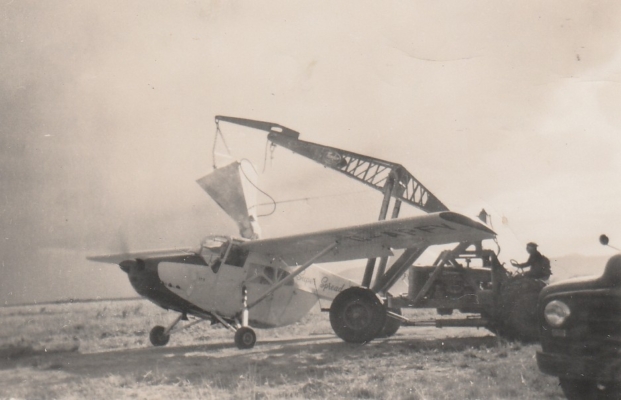
Surveyors pegged the boundaries once the land was cleared, then it was sown with improved pasture species to support sheep grazing. Fertilisers such as superphosphate were applied, often by aircraft, and clover and ryegrass were introduced to establish productive grazing paddocks. Water supplies were secured by drilling bores, usually between 40 and 80 feet deep, ensuring each farm had reliable water for livestock.
Basic infrastructure was also installed before settlement. Roads were constructed to provide access to each block, while boundary fencing, farm houses, sheds and shearing facilities were gradually established. Many prospective settlers worked on the development crews before receiving their own farms.
The aim of this large-scale development was to create productive grazing properties capable of supporting flocks of around 800 to 1,000 breeding ewes, forming the economic basis of the Flinders Island Soldier Settlement Scheme.
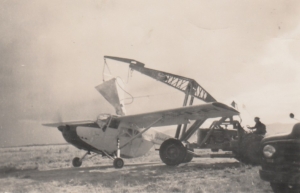
Agricultural plane getting loaded for spreading
Trace Elements in Pasture Development
Scientific research into trace elements played a crucial role in the success of pasture establishment on Flinders Island. Agronomist David Paton carried out early experimental work for the Land Settlement scheme, researching the correct fertiliser levels for maintaining productive pastures. “Minute amounts of elements such as copper, cobalt and selenium make the difference between success and failure.”
“Super” and trace elements were supplied by the Electrolytic Zinc Company in Hobart and shipped to Flinders Island.
Copper helped establish clover and ryegrass pastures, while cobalt supported bacteria in clover roots that fix nitrogen and improved livestock health. Without these trace elements, it was recognised that the Furneaux Estate would never have been possible.
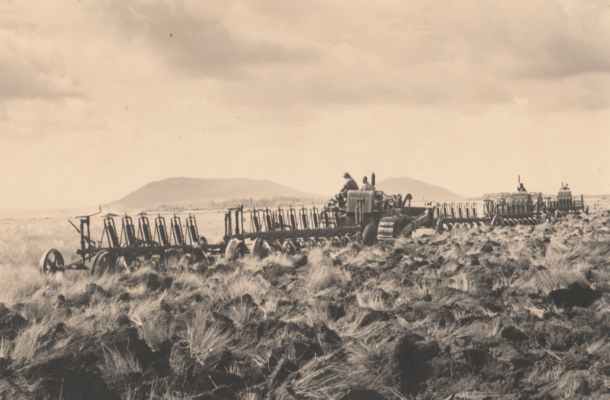
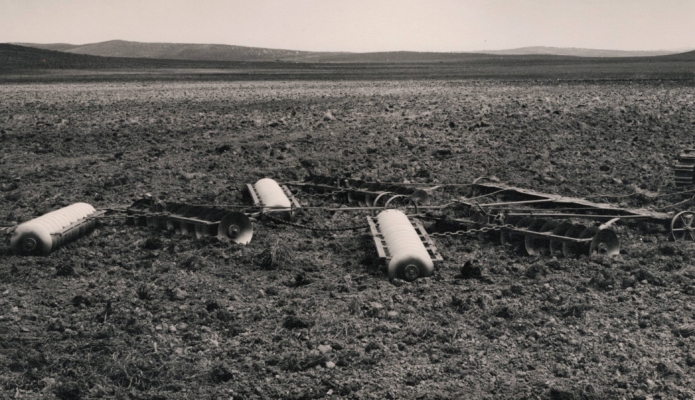
Majestic plough
“When the water was too high, we had to use six pieces of heavy timber together to use like a bridge for the draglines to stand on.
We cleared closer to 60,000 acres by the time we finished” - Bruno Perry
“We drained the main lagoons, the 32-acre lagoon, the 60-acre lagoon and the 9-acre lagoon.” - Eric Warren
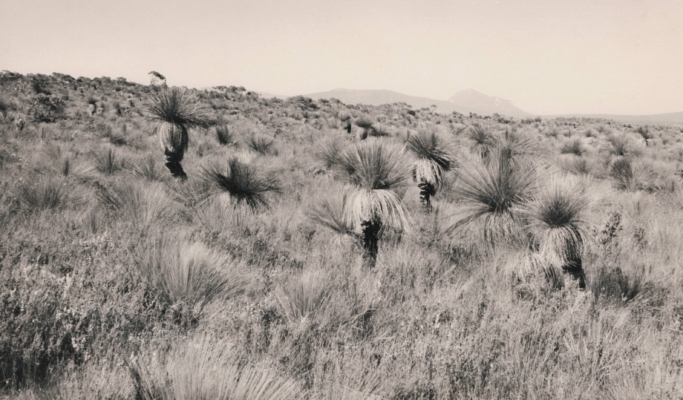
"Early in the winter a whole flock of bulldozers worked in unison to clear the grass trees on the slopes around Centre Hill. The very air around us reverberated as if a squadron of heavy bombers were above the clouds." - unknown author