Lot 2 – Furneaux Estate
Richard "Dick" and Peggy Bayles
War Service Land Settlement Scheme

War Service Land Settlement Scheme

Farm gate memorial sign
Richard "Dick" Bayles was born in Hobart and had strong family connections with Tasmania, although he was living in Balgowlah, New South Wales, when he enlisted in the Royal Australian Navy on 6 September 1937 at the age of 18. Trained as a mechanical fitter, he served for twelve years in the Navy, including wartime service aboard several ships, and was discharged in 1948 with the rank of Chief Petty Officer. His final posting was to HMAS Bataan.
Following his naval service, Dick and his wife Peggy settled on Lot 2, where they farmed with their son, Leonard, until the mid-1960s. In the early years of the settlement, Dick supplemented the family's income by working for the War Service Land Settlement scheme as a fitter and welder, while Peggy drove the school bus that transported children from the settlement camps. After selling the farm, the family moved to Deloraine, bringing to a close their years as soldier settlers on Flinders Island.

Richard "Dick" Bayles
Dick Bayles’ military service is recorded as Navy, with the service number xxxxx. Further details of his wartime service are still being researched and may be added as additional records become available.
xx
| year | moved to Lot . |
Lot 2 was part of the Furneaux Estate, the largest soldier settlement area developed on Flinders Island.
Historical maps and current location images will be added as research continues. Lot boundaries, house sites and later property changes may require further verification.
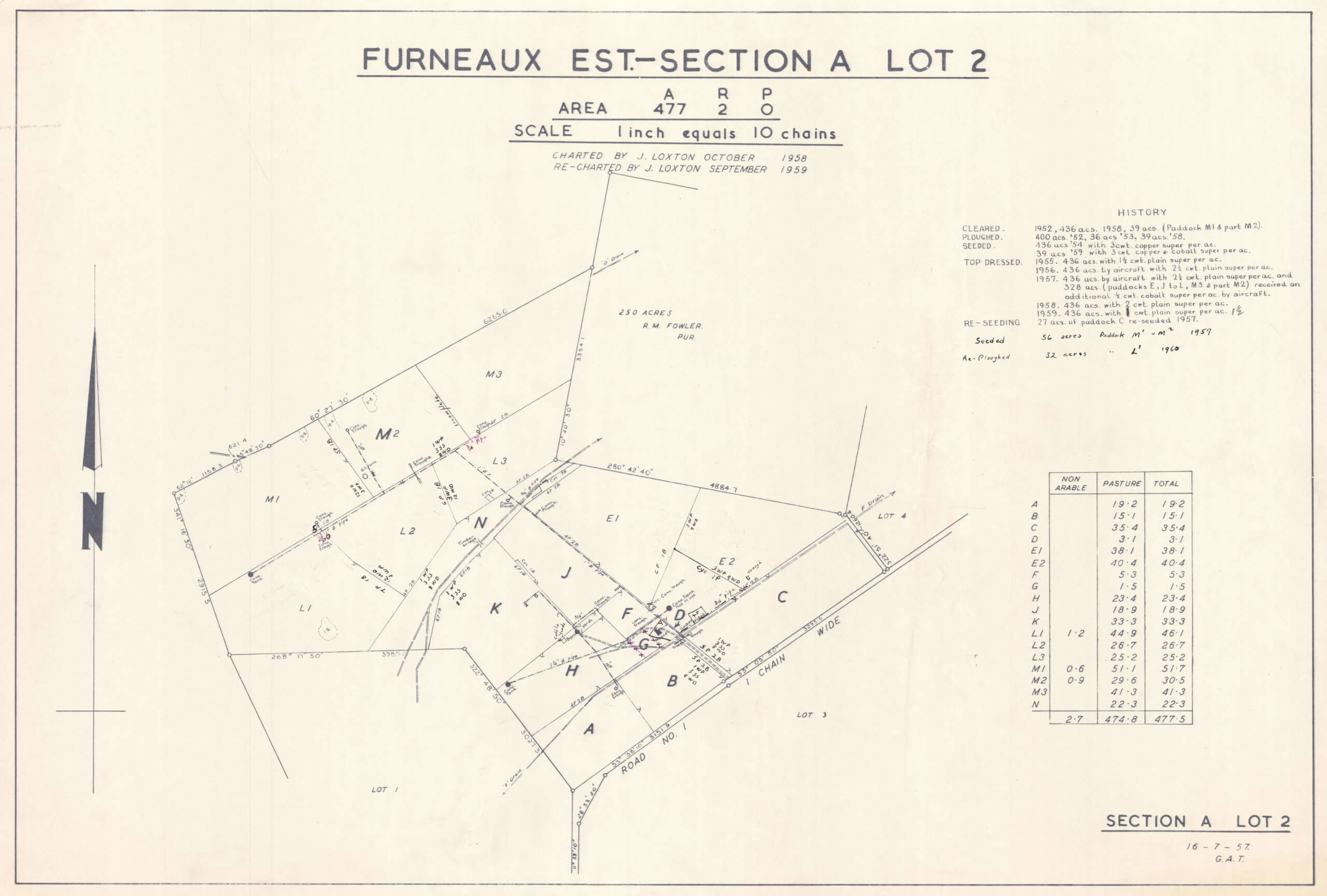
Photographs, maps, service records, family documents and newspaper items relating to Lot 2 Furneaux Estate are being collected.
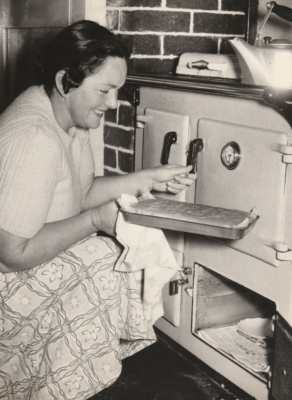
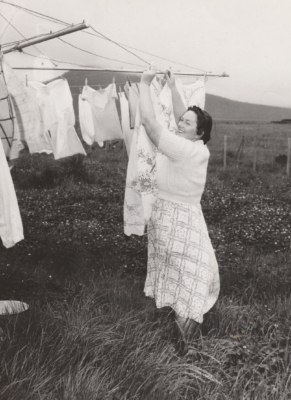
The Furneaux Museum is continuing to document the history of each soldier settlement lot.
If you have photographs, family stories, military service records, farm records, maps, newspaper articles or corrections relating to Lot 2 Furneaux Estate, or its owners over time, we would be pleased to hear from you.
Your contribution will help preserve the history of the Soldier Settlement Scheme on Flinders Island.
Information on this page has been compiled from local soldier settlement records, family and community contributions, and ongoing research by the Furneaux Museum Soldier Settlement Scheme Working Group.
Some details may be incomplete or subject to correction as further information becomes available.