Lot 74 – Furneaux Estate
Norman "Norm" and Shirley Macqueen
War Service Land Settlement Scheme

War Service Land Settlement Scheme

Farm gate memorial sign
Cecil Norman MacQueen was born at Parramatta, New South Wales, on 30 August 1923, the son of a Commonwealth Bank officer. After finishing school he joined the Commonwealth Bank before enlisting in the Royal Australian Air Force on his eighteenth birthday in 1941. Trained as aircrew, he served for four and a half years, including operational service in Europe, and was discharged in January 1946. By that time his family had relocated to Hobart, where Norman resumed civilian life and determined to become a farmer.
To prepare for soldier settlement, Norman gained practical farming experience before marrying Shirley. The couple initially operated a small dairy farm at Bicheno, but with limited prospects they accepted the opportunity to settle on the Furneaux Estate on Flinders Island. Arriving in 1964, they lived at "Grey Crags" at Ranga for two and a half years before moving onto Lot 74 in 1966. There they developed a productive beef cattle enterprise, building a successful herd while raising their family. After farming until 2002, Norman and Shirley retired to Whitemark.
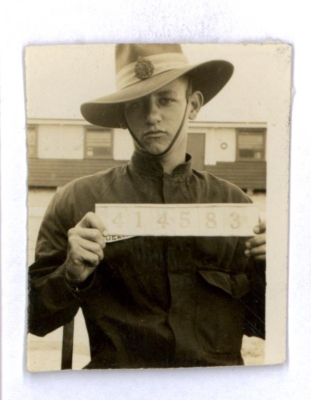
Cecil "Norm" Macqueen
Norm Macqueen’s military service is recorded as RAAF, with the service number 414583. Further details of his wartime service are still being researched and may be added as additional records become available.
xx
| year | to Lot 74. |
Lot 74 was part of the Furneaux Estate, the largest soldier settlement area developed on Flinders Island.
Historical maps and current location images will be added as research continues. Lot boundaries, house sites and later property changes may require further verification.
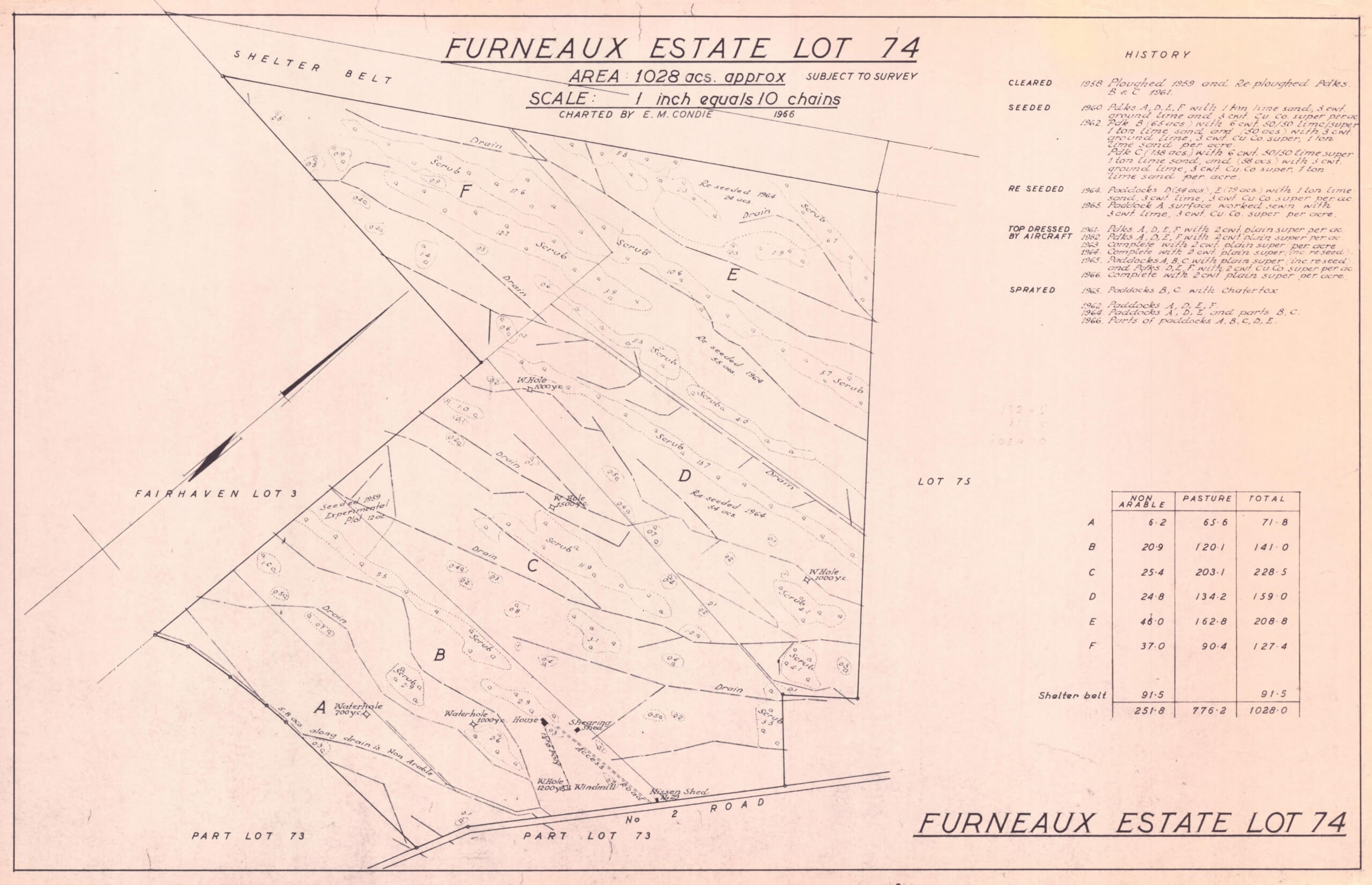
Photographs, maps, service records, family documents and newspaper items relating to Lot 74 are being collected.
If you have images or records connected to the property of Lot 74, the Furneaux Museum would be pleased to hear from you.
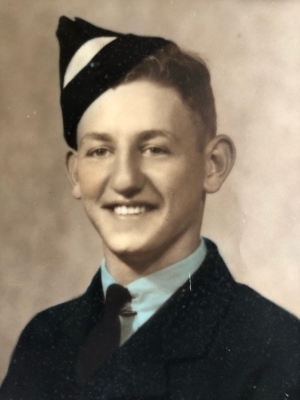
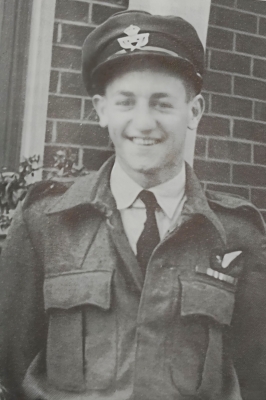
The Furneaux Museum is continuing to document the history of each soldier settlement lot.
If you have photographs, family stories, military service records, farm records, maps, newspaper articles or corrections relating to Lot 74, or its owners over time, we would be pleased to hear from you.
Your contribution will help preserve the history of the Soldier Settlement Scheme on Flinders Island.
Information on this page has been compiled from local soldier settlement records, family and community contributions, and ongoing research by the Furneaux Museum Soldier Settlement Scheme Working Group.
Some details may be incomplete or subject to correction as further information becomes available.